
Corporate · Team Days, Offsites & Kickoffs
Planning a new year team kickoff in Sydney? Get everyone out of the office for one well-run day in late January or early February, built around a single hero activity with a long lunch attached, and to book it before the calendar fills. January is the best team-day window of the year and the most underused: people are back, the diary is unusually clear, and nobody is buried yet. Below: why January beats December, six kickoff formats that work, how to budget the day, and the logistics that decide whether it lands.
Why January beats December for a team day
The end of year party is a thank you. A January kickoff is a reset. Different day, different job.
December is the worst possible time to ask a team to think about the year ahead. Everyone is stretched, half the group is mentally on leave, the venues are at their most expensive and their most crowded, and whatever gets decided is forgotten by the time people come back. January has none of those problems. Calendars are genuinely open, venues are quieter and easier to book, and anything agreed on the day actually carries into the quarter because the quarter has not started yet.
There is a practical side as well. If December got away from you, or the budget did not land in time, a January day is not a consolation prize. It is a better version of the same thing, usually at a lower cost and with more of the team able to attend.
Six new year kickoff formats that work
Pick one shape and commit to it. The days that fall flat are the ones trying to be a strategy session, a celebration and a team building exercise at once.
- The morning session, afternoon reward. Two or three hours of real planning somewhere offsite, then everyone back on the bus for lunch and an activity. The work gets done while people are fresh and the reward is earned rather than scheduled.
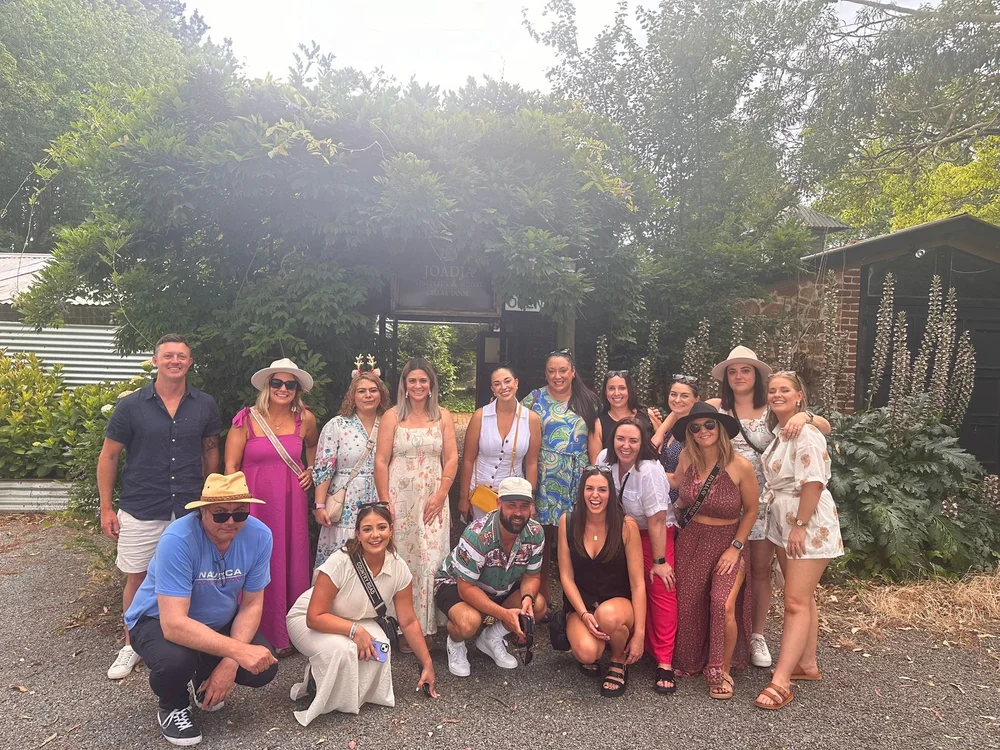
- The wine country day. A chauffeured run to the Hunter Valley or the Southern Highlands with a long table lunch booked in the middle. Civilised, properly social, and the travel time doubles as unstructured conversation that an office never produces.
- The brewery circuit. Three or four taprooms across the inner west or further afield, with food along the way. More relaxed than a wine day and usually the better fit for a younger team.
- The harbour afternoon. A private boat on Sydney Harbour in January is hard to beat, and it photographs well for whatever internal comms you need afterwards.
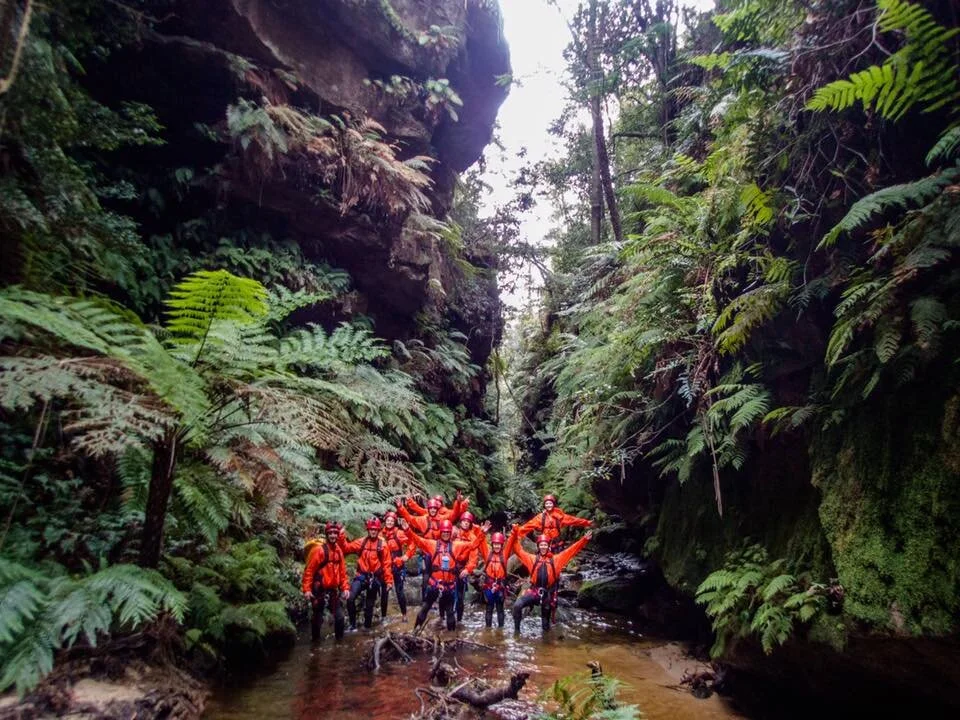
- Something physical. Go karting, axe throwing, a surf lesson or a coastal walk. Best for teams that have been sitting in front of screens for eleven months and need the opposite.
- The overnight reset. One night away turns a team day into something people still reference in June. More expensive, considerably more effective, and the right call if the team has changed shape over the past year.

Half day or full day?
A half day is easier to get approved. A full day is the one people remember. Here is how the two compare in practice.
| Half day | Full day | |
|---|---|---|
| Typical shape | Session plus lunch, back by mid afternoon | Session, travel, activity, long lunch, late return |
| Best for | Teams with client coverage to maintain | Teams that have grown or changed over the year |
| Travel range | Stay inside Sydney | Wine country, the coast, the mountains |
| Transport | One vehicle, two legs | One vehicle held for the day |
| What people remember | The session | The day |
What does a team kickoff day cost?
There is no single number, because a kickoff is three separate costs stacked together. Pricing each one separately is how you build a budget your finance team will sign off.
- Transport is priced per vehicle for the day, not per head, so a bigger team often costs less per person, not more.
- Food and venue is usually your largest line and is paid to the venue directly.
- Activities are per person and are the easiest line to flex if the budget tightens.
A few things move the number. Weekdays are cheaper than weekends, with Saturdays carrying a 15 per cent surcharge and Sundays and public holidays 20 per cent. Right sizing the vehicle matters more than anything else, since capacity is a hard ceiling and a group of 28 needs a 41 seat coach rather than a 27. Repeat corporate clients receive 5 per cent off, which does not stack with other discounts.
What to actually do in the session
The social half of a kickoff organises itself. The working half is where most days fall apart, usually because the agenda is either too vague to produce anything or so packed that nobody speaks.
Two or three hours is the realistic ceiling for useful discussion, and it is better spent on a small number of questions than a long agenda. The shape that works most reliably is to look back briefly, then forward properly: what actually went well last year, what we are going to stop doing, and the two or three things that matter most between now and June. Anything more granular than that belongs in a normal planning meeting, not a day out.
A few practical rules. Get it out of the office, because the same conversation in the usual meeting room produces the usual answers. Put the session before the activity, not after, since nobody does their best strategic thinking after lunch and a tasting. Give people the questions a few days beforehand so the quieter half of the team arrives prepared rather than being put on the spot. And write down the three things everyone agreed before the bus leaves, because a decision that only lives in people's memory of a good day is not a decision.
If your team is hybrid or spread out
For a team that only sees each other on a screen, the January day is doing more work than it is for a team that shares an office, and it is worth planning differently.
The priority shifts from content to contact. Travel time becomes an asset rather than dead time, because an hour on a coach is an hour of unstructured conversation between people who otherwise only meet in scheduled calls. That is an argument for choosing a destination that takes a while to reach rather than the closest option, and for one vehicle rather than people making their own way and arriving separately.
It is also an argument for a single pickup point even when people live all over the city. Everyone starting in the same place, at the same time, in the same vehicle, is most of what makes a distributed team feel like a team again. If your group is spread across Sydney, pick a central point with parking and public transport rather than trying to collect people on a route.
For national teams, the overnight version is usually the one that justifies the flights. A day trip that people fly in and out of on the same morning tends to leave everyone exhausted and nobody connected.
Getting the logistics right
The format matters less than the running. Five things decide whether the day feels organised or shambolic.
- One pickup point, not three. Every extra pickup adds time and gives people another chance to miss the bus. Pick the office or one central point and hold it.
- Book the return before the outbound. The leg that ruins team days is the one home. Decide the finish time when you book, not on the day.
- Nominate a contact who is not running the session. The driver needs someone reachable, and that cannot be the person presenting.
- Confirm dietary requirements with the venue, early. January venues are quieter but often running reduced kitchen staff.
- Send the run sheet the day before. Pickup time, finish time, what to wear, and whether lunch is covered. Four lines, and it removes every question you would otherwise field on the morning.
If your kickoff is attached to a larger conference or a multi-day offsite, our guide to conference and corporate offsite transport covers the moving parts in more detail.
New year team kickoff FAQs
When is the best time in January to run a team kickoff?
The last two weeks of January and the first week of February. Earlier than that and too many people are still on leave, later and the quarter has already swallowed everyone's calendar.
How far ahead should we book?
Four to six weeks for a January weekday is usually comfortable, which means booking in November or early December. Leave it until the second week of January and you are choosing from what is left.
What size group does this work for?
Anything from a team of eight to a whole company. Up to 14 travels in a Sprinter, up to 27 in an executive coach, up to 41 in a full size coach, and larger groups across multiple vehicles.
Can we combine a planning session with the social part?
Yes, and it is the format we see work most often. Run the session in the morning somewhere offsite, then travel to the activity and lunch afterwards. Doing it the other way around rarely produces useful thinking.
Is a January team day cheaper than a December Christmas party?
Generally yes. January weekdays avoid the December peak on venues and vehicles, and attendance is usually higher because fewer people are on leave or double booked.
Do you organise the venues and activities, or just the transport?
Both are possible. A pure charter is the vehicle and driver, with you booking the venues. A tour package includes the venues, seated tastings and a platter. Tell us which you would prefer and we will quote accordingly.
What if our numbers change after we book?
Tell us as soon as you know. Numbers moving within a vehicle's capacity are no problem at all. If the group outgrows the vehicle we will move you up a size subject to availability, which is another argument for booking early.
Start the year properly
If you want more ideas for the activity itself, our full guide to team building activities in Sydney is the place to start. When you have a date and a rough headcount, send them over and we will put the day together around them.
Ten years, a modern fleet, professional drivers who know Sydney, and 4.8 stars from 200+ Google reviews.